
Quick Read Summary:
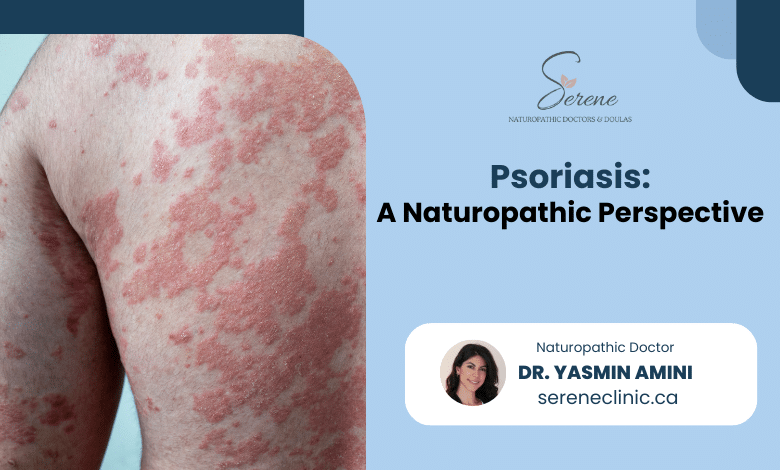
Psoriasis is more than a chronic skin condition—it is a systemic, immune-mediated disorder that reflects deeper imbalances within the body. From a naturopathic perspective, psoriasis is viewed as a visible expression of internal inflammation, immune dysregulation, gut health disturbances, and lifestyle-related triggers. At SERENE Clinic, naturopathic care for psoriasis focuses on identifying root causes, reducing systemic inflammation, restoring gut–skin balance, and supporting the body’s natural healing processes. Treatment is highly individualized and designed to work alongside conventional medical care to improve long-term outcomes and quality of life.
Psoriasis Beyond the Skin: A Naturopathic View
Naturopathic medicine recognizes psoriasis as an autoimmune inflammatory condition rather than a surface-level dermatological issue. While genetic factors may predispose an individual, flare-ups are often influenced by diet, digestive health, stress, environmental exposures, and immune system imbalance.
Instead of suppressing symptoms alone, naturopathic care seeks to understand why the immune system is overstimulated and how internal inflammation manifests through the skin. This deeper understanding allows for more sustainable management strategies.
Core Principles of Naturopathic Psoriasis Care
At SERENE Clinic, naturopathic doctors follow several guiding principles when supporting patients with psoriasis:
Individualized, Whole-Person Care
Each person’s psoriasis triggers are unique. Naturopathic care considers diet, gut health, stress levels, environment, and lifestyle when designing treatment plans.
Root-Cause Identification
Detailed health histories and, when appropriate, functional testing—such as food sensitivity or gut microbiome assessments—help identify personal triggers that may drive inflammation.
Gut–Skin Connection
A central concept in naturopathic dermatology is the gut–skin axis. Imbalances in gut bacteria, digestive inflammation, or increased intestinal permeability may activate immune responses that appear on the skin.
Anti-Inflammatory Focus
Since psoriasis is driven by inflammation, reducing systemic inflammatory load through nutrition and lifestyle changes is a primary therapeutic goal.
Key Naturopathic Strategies for Psoriasis
Naturopathic treatment for psoriasis typically integrates multiple supportive therapies.
Dietary & Nutritional Approaches
Anti-Inflammatory Nutrition: Emphasis on whole, nutrient-dense foods such as vegetables, fruits, nuts, seeds, olive oil, and omega-3-rich fatty fish. Mediterranean-style eating patterns are commonly encouraged.
Trigger Food Elimination: Temporary removal of common inflammatory triggers such as refined sugars, gluten, dairy, red meat, and processed foods may help identify dietary contributors.
Gut Health Support: Fiber-rich foods, fermented foods, and probiotics are used to promote a healthier gut microbiome.
Targeted Supplements: Nutrients such as omega-3 fatty acids, vitamin D, zinc, and L-glutamine may support immune balance, gut integrity, and skin repair.
Lifestyle & Mind–Body Therapies
Stress is one of the most common psoriasis triggers. Naturopathic care emphasizes nervous system regulation through:
Mindfulness and meditation
Yoga, massage, or gentle movement
Journaling and stress-awareness practices
Optimizing sleep quality
Skin Care & Environmental Support
Supporting the skin barrier externally is also essential:
Regular moisturizing with rich creams or natural oils such as coconut or avocado oil
Lukewarm bathing followed by immediate moisturization
Oat baths to soothe itching and irritation
Using humidifiers in dry environments
Minimizing exposure to harsh chemicals, fragrances, and irritants
Herbal & Topical Therapies
Botanical remedies may be used both internally and topically:
Aloe vera preparations to soothe redness and scaling
Oregon grape (Mahonia aquifolium) creams for anti-inflammatory support
Curcumin for its systemic anti-inflammatory and antioxidant properties
Capsaicin creams in selected cases to reduce itching and discomfort
All herbal treatments are personalized and professionally guided.
Naturopathic Care & Conventional Medicine
Naturopathic practitioners at SERENE Clinic view their role as complementary to conventional dermatology. While topical steroids and immunomodulating medications can be effective for symptom control, naturopathic care focuses on reducing underlying inflammation and supporting long-term balance. This integrative approach may help decrease flare frequency and support overall health, potentially reducing long-term reliance on stronger interventions—under medical supervision.
Conclusion
From a naturopathic perspective, psoriasis is a reflection of internal imbalance involving the immune system, gut health, inflammation, and lifestyle factors. By addressing these underlying contributors through personalized nutrition, herbal medicine, lifestyle support, and skin care strategies, naturopathic medicine offers a comprehensive path toward long-term management. At SERENE Clinic, care is integrative, individualized, and focused on empowering the body’s natural healing capacity—supporting healthier skin and overall wellbeing.
Serene Clinic Naturopathic Medicine
Book Your Free Consultation Today
Connect with a naturopathic doula Toronto near you, whether you are in Toronto or anywhere in Ontario.
Serene Clinic Naturopathic Doctors Book your complimentary meet and greet with an Ontario licensed Naturopathic Doctor and Doula:
https://sereneclinic.janeapp.com
This article is for informational and educational purposes only and is not intended as a substitute for medical advice, diagnosis, or treatment. Always seek the advice of your physician or other qualified health care provider with any questions you may have regarding a medical condition.
Frequently Asked Questions (FAQ)
Q1: Is psoriasis considered an autoimmune condition in naturopathic medicine?
Yes. Psoriasis is viewed as a systemic autoimmune condition driven by immune dysregulation and inflammation, not just a skin disorder.
Q2: Can gut health really influence psoriasis?
Yes. The gut–skin axis plays a significant role in immune regulation. Digestive imbalance and gut permeability may contribute to flare-ups.
Q3: How long does naturopathic treatment take to show results?
Some patients notice symptom improvements within weeks, while deeper immune and inflammatory balance may take several months of consistent care.
Q4: Are natural treatments safe to use with prescribed medications?
When guided by a qualified practitioner, naturopathic treatments are generally safe and can be used alongside conventional care. Coordination with your healthcare provider is essential.
Q5: Can naturopathic care cure psoriasis?
Psoriasis is a chronic condition. Naturopathic care aims to reduce symptoms, support remission, and improve quality of life rather than offer a cure.