
Quick Read Summary:
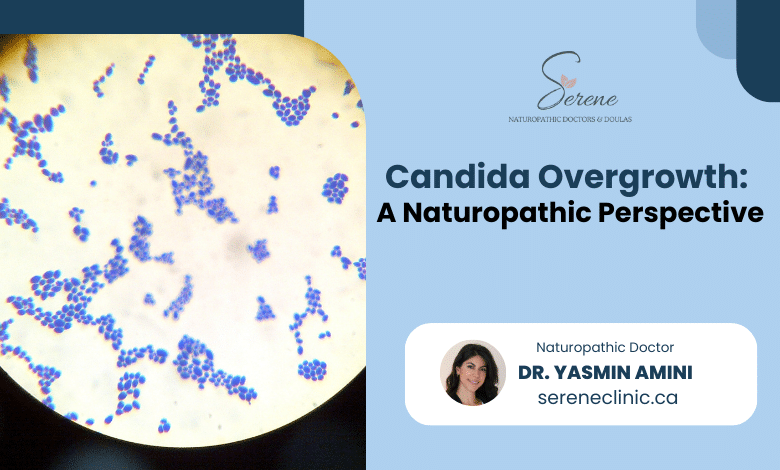
Candida albicans is a normal organism in the gut, mouth, and vaginal microbiome—but it can become problematic when the internal “terrain” shifts in its favor. From a naturopathic perspective, Candida overgrowth is less about a random infection and more about an opportunistic imbalance driven by factors such as antibiotic exposure, blood sugar dysregulation, hormonal shifts, immune suppression, and microbiome disruption. At Serene Clinic, naturopathic care focuses on changing the conditions that allow Candida to thrive, using a structured, phased plan that addresses root causes, supports the gut ecosystem, and reduces relapse risk—rather than relying on short-term suppression alone.
Candida: Not an Invader, an Opportunist
In naturopathic medicine, Candida is understood as a “terrain” problem. Yeast does not typically dominate unless the body’s natural checks and balances have weakened. Under certain conditions, Candida may shift from a relatively benign yeast form into a more aggressive fungal form, increasing its ability to persist and cause symptoms.
This is why an effective plan goes beyond simply “killing yeast.” The real clinical question is: what made the environment hospitable to overgrowth in the first place?
Common Symptoms Associated With Candida Overgrowth
Candida-related symptoms can be broad and non-specific, which is why individualized assessment matters. Common patterns may include:
Persistent bloating, gas, or digestive discomfort
Strong sugar and refined carbohydrate cravings
Recurrent vaginal or oral yeast infections
Fatigue, brain fog, and reduced concentration
Skin flares or recurring fungal rashes
Mood changes or irritability (often worsened by poor sleep or cravings)
Because these can overlap with other issues (including SIBO, IBS, food intolerance, or metabolic dysfunction), professional evaluation is important.
The “Host Environment”: Root Causes Naturopathic Care Investigates
At Serene Clinic, naturopathic Candida care begins by identifying and correcting the drivers that compromise microbial balance.
Antibiotic Exposure and Microbiome Disruption
Even one course of antibiotics can reduce beneficial bacteria such as Lactobacillus species, which normally keep yeast populations controlled. This creates a vacuum that opportunistic organisms can exploit.
Blood Sugar and Insulin Dysregulation
Yeast thrives on sugar. Diets high in refined carbohydrates—or metabolic patterns involving insulin resistance—can provide a constant fuel supply for overgrowth.
Hormonal Shifts (Especially Estrogen Patterns)
Higher estrogen states (including pregnancy, oral contraceptive use, or estrogen-dominant patterns) can alter the vaginal environment and increase susceptibility to recurrent yeast symptoms.
Immune Stress and Chronic Cortisol Elevation
Long-term stress can suppress mucosal immune defense (often discussed in terms of reduced secretory immune resilience). In practical terms, this means the body is less able to regulate yeast at the surface of the gut and vaginal lining.
The Naturopathic Phased Approach at Serene Clinic
Candida management is typically most successful when it follows a structured timeline rather than an aggressive “kill-it-all” approach. Many naturopathic clinicians use a phased model over roughly 8–12 weeks (individual timelines vary), with the goal of reducing overgrowth while rebuilding long-term microbial stability.
Phase 1: Remove the Fuel, Stabilize the Terrain
This phase focuses on reducing the environmental drivers that feed yeast overgrowth.
Reducing added sugars and refined carbohydrates
Minimizing alcohol during active overgrowth
Emphasizing non-starchy vegetables, quality proteins, and healthy fats
Some individuals also benefit from temporarily reducing certain highly fermentable or fungal-load foods during the initial phase, but this is individualized—because overly restrictive diets can backfire.
Phase 2: Targeted Antifungal Support (Personalized)
When clinically appropriate, naturopathic care may use botanical and nutritional antifungal supports, often rotated to improve effectiveness and tolerance. Options may include:
Fatty-acid based supports (often derived from coconut sources)
Oregano-based formulations (selected carefully for tolerability)
Garlic-derived compounds used strategically (including in biofilm-focused plans)
Berberine-containing botanicals, especially when blood sugar patterns are part of the terrain
This phase is not “stronger is better.” Dosing and selection should match the person, their symptoms, and their overall digestive capacity.
Phase 3: Rebuild the Microbiome (Replace & Re-Inoculate)
Candida relapse risk remains high if beneficial microbes are not restored.
Targeted probiotics may be introduced to support gut and vaginal microbiome resilience
In certain cases, a beneficial yeast probiotic may be used to “crowd out” Candida
Once symptoms stabilize, selected prebiotic fibers may be used to help beneficial bacteria repopulate
Phase 4: Repair the Gut Barrier and Reduce Recurrence
Chronic dysbiosis can irritate the intestinal lining and contribute to increased permeability patterns. Naturopathic care often includes gut-lining and mucosal support strategies so the terrain becomes less favorable for yeast dominance over time.
“Die-Off” Reactions: Why Professional Guidance Matters
When yeast is reduced too quickly, some individuals experience a temporary worsening of symptoms—often described as “die-off.” This can include flu-like fatigue, headache, brain fog, or skin flares. At Serene Clinic, the goal is to manage this intelligently by adjusting the pace, supporting elimination pathways, and—when appropriate—using supportive strategies to improve tolerance.
Self-treating aggressively without guidance is one of the most common reasons people feel worse and abandon the process.
Naturopathic vs Conventional Approaches: Two Different Lenses
Conventional medicine often treats Candida as an acute infection managed with antifungal medications (especially for confirmed vaginal or oral candidiasis). Naturopathic medicine tends to approach it as a chronic ecosystem imbalance involving blood sugar regulation, gut ecology, immune resilience, and hormonal context.
At Serene Clinic, the emphasis is integrative: using the appropriate medical tools when needed while addressing the underlying terrain that determines recurrence.
Conclusion
From a naturopathic perspective, Candida overgrowth is not an isolated yeast problem—it is a signal that the internal ecosystem has shifted. By addressing root drivers such as antibiotic-related microbiome disruption, blood sugar imbalance, hormonal influences, immune stress, and gut barrier integrity, naturopathic care provides a sustainable path forward. At Serene Clinic, Candida support is personalized, phased, and prevention-focused—helping you rebuild a terrain where yeast is no longer able to dominate.
Serene Clinic Naturopathic Medicine
Book Your Free Consultation Today
Connect with a naturopathic doula Toronto near you, whether you are in Toronto or anywhere in Ontario.
Serene Clinic Naturopathic Doctors Book your complimentary meet and greet with an Ontario licensed Naturopathic Doctor and Doula:
https://sereneclinic.janeapp.com
This article is for informational and educational purposes only and is not intended as a substitute for medical advice, diagnosis, or treatment. Always seek the advice of your physician or other qualified health care provider with any questions you may have regarding a medical condition.
Frequently Asked Questions (FAQ)
Q1: Is Candida overgrowth real, or is it overdiagnosed?
Candida exists in everyone. Overgrowth can happen, but symptoms overlap with many other conditions. Proper assessment is essential to avoid mislabeling and unnecessary restriction.
Q2: Do I need to follow a “Candida diet” forever?
No. Dietary changes are typically short-term and therapeutic. Long-term success comes from restoring microbiome balance and blood sugar stability—not permanent avoidance.
Q3: Are antifungal supplements always necessary?
Not always. Some cases improve with blood sugar support, digestive strengthening, and microbiome restoration. Others require targeted antifungal support—ideally guided by a clinician.
Q4: Can hormones affect recurrent yeast infections?
Yes. Estrogen patterns and hormonal shifts can influence the vaginal environment and susceptibility to recurrence, which is why a whole-body plan can be more effective than repeated short-term treatment alone.
Q5: How long does Candida-focused naturopathic care take?
Many people notice improvement within weeks, but deeper restoration and relapse prevention often take 2–3 months depending on severity, triggers, and consistency.