
Quick Read Summary:
Fungal skin infections such as ringworm (tinea), athlete’s foot, and candida are common conditions that often recur if only treated superficially. From a naturopathic perspective, these infections are not just skin issues—they are signs of deeper imbalances in the immune system, microbiome, and metabolic health. Naturopathic care focuses on identifying root causes, strengthening immune function, reducing fungal overgrowth through diet, and restoring the skin barrier using natural therapies for long-term prevention.
Understanding Fungal Skin Infections
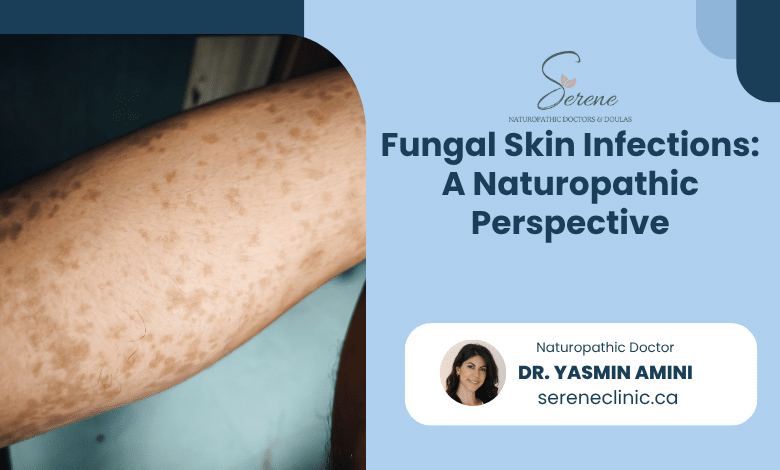
Fungal skin infections occur when fungi such as dermatophytes or yeast (e.g., Candida) overgrow on the skin. These infections commonly affect warm, moist areas of the body and may present as:
- Red, itchy, or scaly rashes
- Circular patches (ringworm)
- Cracked or peeling skin (athlete’s foot)
- Discoloration or irritation
- Recurring infections
While conventional treatments often rely on antifungal creams or medications, recurrence is common when underlying factors are not addressed.
At Serene Clinic, fungal infections are approached as part of a broader systemic imbalance rather than an isolated skin condition.
A Naturopathic View: More Than a Skin Problem
From a naturopathic perspective, fungal infections reflect an internal environment that allows fungal organisms to thrive. Instead of focusing solely on eliminating the infection, treatment aims to rebalance the body’s terrain—making it less favorable for fungal overgrowth.
Root Causes of Fungal Skin Infections
Weakened Immune Function
A compromised immune system reduces the body’s ability to control fungal organisms. Chronic stress, poor nutrition, and illness can weaken immune defenses.
Microbiome Imbalance
Disruptions in the gut or skin microbiome can allow fungi such as Candida to overgrow. A healthy balance of bacteria is essential to keep fungal populations in check.
Dietary Factors
High intake of sugar and refined carbohydrates can feed fungal growth. Diet plays a critical role in either promoting or limiting fungal overgrowth.
Environmental Factors
Warm, damp environments such as gyms, locker rooms, and tight or non-breathable clothing can create ideal conditions for fungal infections like athlete’s foot.
Naturopathic Treatment Strategies
Naturopathic care uses a comprehensive approach combining diet, lifestyle changes, and natural therapies.
Dietary Changes
Reducing sugar and processed carbohydrates is one of the most important steps in managing fungal infections. An anti-fungal diet may include:
- Whole, unprocessed foods
- Garlic, ginger, and onions
- Coconut oil (natural antifungal properties)
- Probiotic-rich foods such as sauerkraut and kimchi
These strategies help reduce fungal overgrowth and support microbiome balance.
Herbal and Natural Antimicrobials
Natural antifungal agents may be used both internally and topically:
- Tea tree oil and neem oil for topical application
- Garlic, goldenseal, and grapefruit seed extract for internal support
- Black walnut and echinacea for immune and antimicrobial support
These remedies help create an environment that inhibits fungal growth.
Nutritional Supplementation
Supporting the immune system is essential for long-term recovery.
Common recommendations may include:
- Vitamin D for immune regulation
- Zinc for skin repair and immune support
- Vitamin C for antioxidant protection
- Probiotics (including Saccharomyces boulardii) to rebalance gut flora
Topical Skin Barrier Support
Repairing the skin barrier is a key part of naturopathic care. Instead of relying solely on steroid creams, natural soothing agents are often used:
- Aloe vera
- Gentle, non-irritating moisturizers
- Barrier-repair formulations
Healthy skin is more resistant to reinfection.
Why Recurrence Happens
Fungal infections often return because the underlying causes remain unaddressed. Simply eliminating the fungus does not correct:
- Immune imbalance
- Poor diet
- Chronic stress
- Microbiome disruption
Naturopathic care focuses on long-term prevention, not just short-term relief.
Conventional vs. Naturopathic Approach
| Focus | Conventional Medicine | Naturopathic Medicine |
|---|---|---|
| Primary Goal | Eliminate fungus | Address root causes |
| Common Tools | Antifungal creams, medications | Diet, herbs, immune support |
| Perspective | Skin-level infection | Systemic imbalance |
| Long-Term Strategy | Symptom control | Prevent recurrence |
Conclusion
Fungal skin infections are common but often persistent when treated only at the surface level. From a naturopathic perspective, these infections are a sign of deeper imbalances involving immunity, microbiome health, and metabolic function.
By addressing root causes, supporting the immune system, improving diet, and restoring the skin barrier, naturopathic care offers a comprehensive approach that not only treats infections but helps prevent them from returning.
If you’re experiencing persistent symptoms, working with a qualified naturopath Toronto can help identify the root cause and create a personalized treatment plan for long-term results.
Frequently Asked Questions About Fungal Skin Infections
1. What causes fungal skin infections?
Fungal infections are caused by overgrowth of fungi on the skin, often due to moisture, immune imbalance, or environmental exposure.
2. Are fungal infections contagious?
Yes. Many fungal infections can spread through direct contact or shared surfaces such as towels or gym equipment.
3. Why do fungal infections keep coming back?
Recurrence often happens when underlying factors like diet, immunity, or microbiome imbalance are not addressed.
4. Can diet affect fungal infections?
Yes. High sugar and refined carbohydrate intake can promote fungal growth.
5. What are the most common types of fungal skin infections?
Ringworm (tinea), athlete’s foot, jock itch, and candida-related infections are the most common.
6. Are natural treatments effective for fungal infections?
Natural therapies can be effective when combined with dietary and lifestyle changes.
7. Can probiotics help with fungal infections?
Yes. Probiotics support microbiome balance and help reduce fungal overgrowth.
8. How long does it take to treat a fungal infection naturally?
Mild infections may improve within weeks, while deeper imbalances may take longer to resolve.
9. Can stress worsen fungal infections?
Yes. Chronic stress weakens the immune system and can make infections more persistent.
10. When should I see a naturopathic doctor?
If infections are recurring, resistant to treatment, or affecting quality of life, a comprehensive assessment is recommended.
Serene Clinic Naturopathic Medicine Book Your Free Consultation Today
Connect with a Naturopathic Doctor Toronto and Doula near you, whether you are in Toronto or anywhere in Ontario.
Serene Clinic Naturopathic Doctors Book your complimentary meet and greet with an Ontario licensed Naturopathic Doctor and Doula:
https://sereneclinic.janeapp.com
This article is for informational and educational purposes only and is not intended as a substitute for medical advice, diagnosis, or treatment. Always seek the advice of your physician or other qualified health care provider with any questions you may have regarding a medical condition.
Frequently Asked Questions About Perimenopause
1. What age does perimenopause usually begin?
Perimenopause typically begins in the late 30s or early 40s but varies depending on genetics and lifestyle factors.
2. How long does perimenopause last?
The transition may last anywhere from four to ten years before menopause occurs.
3. What are the most common perimenopause symptoms?
Common symptoms include irregular periods, mood swings, fatigue, sleep disturbances, hot flashes, and brain fog.
4. Can naturopathic medicine help with perimenopause symptoms?
Yes. Naturopathic care focuses on supporting hormone balance, reducing inflammation, and improving lifestyle habits.
5. Is weight gain normal during perimenopause?
Hormonal changes can affect metabolism and fat distribution, making weight management more challenging.
6. Why do sleep problems occur during perimenopause?
Fluctuating estrogen and progesterone levels can affect the brain’s sleep regulation centers.
7. Can stress worsen perimenopause symptoms?
Yes. Chronic stress increases cortisol, which can disrupt hormonal balance and intensify symptoms.
8. What foods help balance hormones during perimenopause?
Whole foods rich in fiber, healthy fats, and protein can support stable hormone and blood sugar levels.
9. Are hot flashes only a menopause symptom?
Hot flashes often begin during perimenopause due to fluctuating estrogen levels.
10. When should I see a naturopathic doctor for perimenopause?
If symptoms such as fatigue, sleep disturbances, or mood changes affect daily life, a personalized naturopathic assessment may help identify supportive strategies.