
Quick Read Summary:
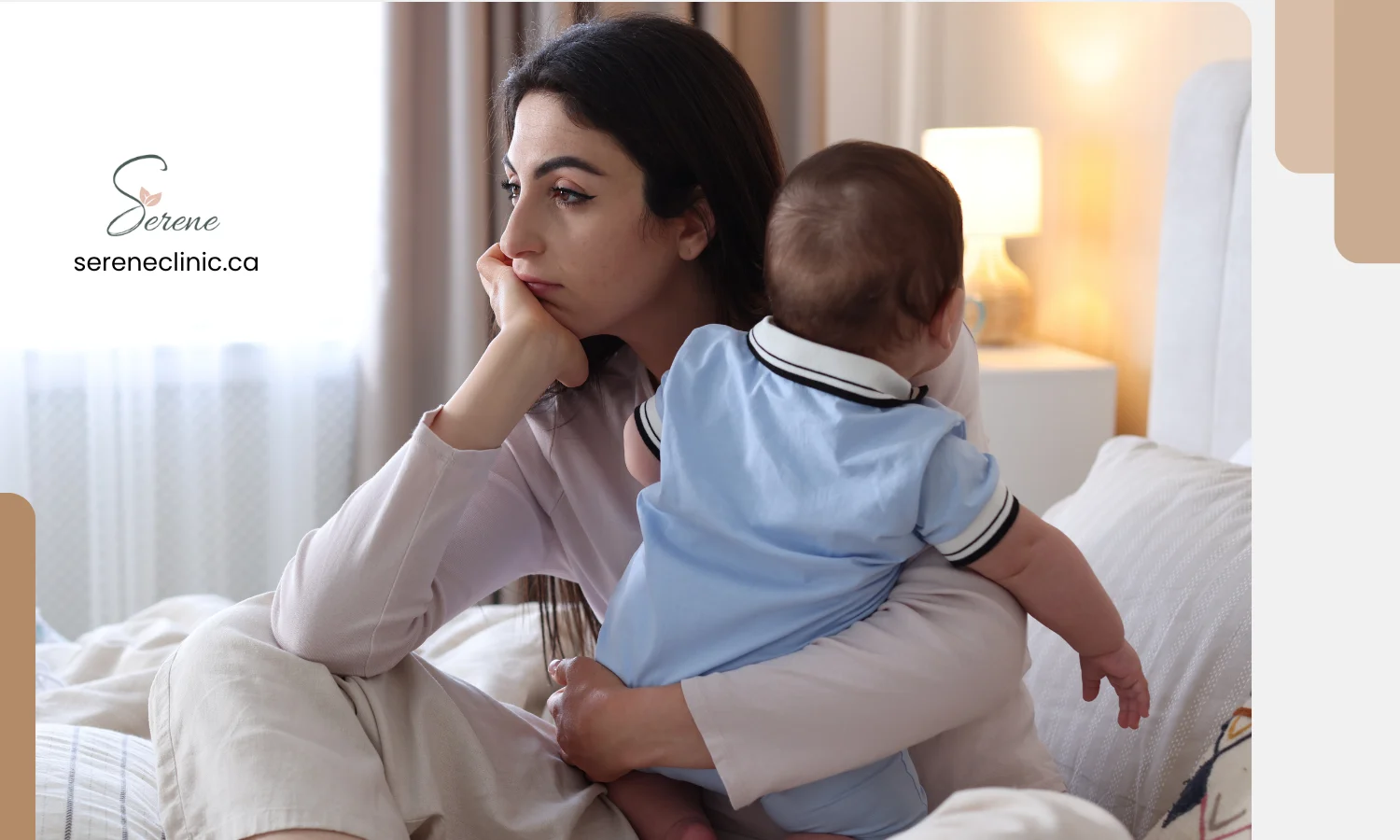
Postpartum depression (PPD) is more than feeling overwhelmed after having a baby. From a naturopathic perspective, postpartum depression is often influenced by dramatic hormonal changes, nutrient depletion, thyroid dysfunction, sleep deprivation, chronic stress, inflammation, and gut health imbalances. Naturopathic care focuses on identifying and addressing these contributing factors while supporting emotional wellbeing through nutrition, lifestyle medicine, nervous system regulation, and integrative care. By treating the whole person rather than symptoms alone, naturopathic medicine aims to help mothers recover physically, emotionally, and mentally during the postpartum period.
Understanding Postpartum Depression
The arrival of a new baby is often expected to be one of life’s happiest moments. While this is true for many families, it is also a period of tremendous physical, emotional, and hormonal change.
Many women experience temporary mood changes known as the “baby blues,” which can include tearfulness, irritability, and emotional sensitivity during the first two weeks after delivery.
However, postpartum depression is different.
Unlike the baby blues, postpartum depression is more persistent and can significantly affect a mother’s ability to function, care for herself, and enjoy daily life.
Common symptoms include:
- Persistent sadness
- Anxiety and excessive worry
- Feelings of hopelessness
- Irritability or anger
- Difficulty bonding with the baby
- Brain fog and poor concentration
- Loss of interest in previously enjoyable activities
- Sleep disturbances
- Fatigue beyond normal sleep deprivation
- Appetite changes
- Emotional numbness or overwhelm
At Serene Clinic, we recognize that postpartum depression is a complex condition that deserves compassionate, comprehensive, and individualized care.
A Naturopathic View of Postpartum Depression
From a naturopathic perspective, postpartum depression is rarely caused by a single factor.
Instead, it is often the result of multiple overlapping physiological and emotional stressors, including:
- Hormonal fluctuations
- Nutrient deficiencies
- Thyroid dysfunction
- Sleep deprivation
- Chronic stress
- Inflammation
- Gut microbiome imbalances
- Emotional and psychological challenges
The goal of naturopathic medicine is to understand why symptoms are occurring and to identify opportunities to support healing at the root cause level.
The Postpartum Endocrine Crash
One of the most significant biological events after childbirth is the dramatic decline in reproductive hormones.
During pregnancy, estrogen and progesterone rise to levels far higher than those seen during a normal menstrual cycle. Within 24 to 48 hours after delivery, these hormones drop rapidly.
This sudden hormonal shift can affect:
- Serotonin production
- GABA activity
- Mood stability
- Stress resilience
- Sleep quality
- Emotional regulation
At the same time, the hypothalamic-pituitary-adrenal (HPA) axis—the body’s stress response system—must adapt to physical recovery, sleep disruption, and the demands of caring for a newborn.
For some women, these rapid changes may contribute to postpartum depression or anxiety symptoms.
Nutrient Depletion: The Hidden Driver of Postpartum Depression
Pregnancy, childbirth, and breastfeeding require significant nutritional resources.
Many mothers enter the postpartum period with depleted nutrient stores, which may impact mood, energy, and recovery.
Iron
Iron deficiency is one of the most common postpartum nutrient deficiencies.
Low iron levels may contribute to:
- Fatigue
- Brain fog
- Low mood
- Reduced stress tolerance
Vitamin D
Vitamin D functions as a neurosteroid and plays an important role in brain health and emotional regulation.
Low levels have been associated with increased depressive symptoms.
Omega-3 Fatty Acids
The developing baby draws heavily from maternal DHA stores during pregnancy.
Omega-3 fatty acids support:
- Brain function
- Nervous system health
- Mood regulation
- Inflammation control
B Vitamins
Vitamin B6, B12, and folate are essential cofactors in the production of serotonin and dopamine, two neurotransmitters involved in mood and emotional wellbeing.
Thyroid Health and Postpartum Mood
Thyroid dysfunction is frequently overlooked in postpartum care.
Research suggests that postpartum thyroiditis may affect approximately 5–10% of women during the first year after childbirth.
Symptoms can include:
- Extreme fatigue
- Depression
- Anxiety
- Brain fog
- Hair loss
- Weight changes
- Difficulty concentrating
Because these symptoms closely resemble postpartum depression, thyroid assessment may be an important part of a comprehensive evaluation.
A naturopathic doctor may consider reviewing:
- TSH
- Free T3
- Free T4
- Thyroid antibodies
when appropriate.
The Stress Response System and Cortisol
New motherhood places significant demands on the nervous system.
Sleep deprivation, recovery from birth, feeding challenges, and major lifestyle adjustments can keep the body in a prolonged state of stress.
When cortisol becomes dysregulated, women may experience:
- Anxiety
- Irritability
- Sleep difficulties
- Mood instability
- Fatigue
- Difficulty coping with daily stressors
Supporting healthy nervous system function is often an important component of naturopathic postpartum care.
The Gut-Brain Connection
The connection between digestive health and mental health continues to receive increasing scientific attention.
The gut microbiome influences:
- Serotonin production
- Immune system regulation
- Inflammatory responses
- Mood stability
In fact, a large percentage of the body’s serotonin is produced within the digestive tract.
When gut health becomes compromised through dysbiosis, inflammation, or food sensitivities, emotional wellbeing may also be affected.
This relationship is commonly referred to as the gut-brain axis.
Reclaiming the Fourth Trimester
Many traditional cultures recognize the postpartum period as the “Fourth Trimester”—a dedicated time for recovery, nourishment, bonding, and healing.
Modern mothers are often expected to return quickly to daily responsibilities despite significant hormonal, emotional, and physical changes.
Naturopathic care encourages:
- Prioritizing rest
- Accepting support
- Nourishing the body
- Reducing unnecessary obligations
- Allowing time for recovery
Supporting the mother is an essential part of supporting the entire family.
Naturopathic Approaches to Supporting Postpartum Depression
Clinical Nutrition
Food serves as the foundation for recovery.
Postpartum nutrition often emphasizes:
- Protein-rich meals
- Healthy fats
- Iron-rich foods
- Nutrient-dense whole foods
- Adequate hydration
Many practitioners also encourage warming, easy-to-digest meals such as soups, stews, and broths during the recovery period.
Targeted Supplementation
When appropriate, individualized supplementation may be considered to support recovery.
Examples may include:
- Omega-3 fatty acids
- Iron
- Vitamin D
- Magnesium glycinate
- B-complex vitamins
Supplement recommendations should always be personalized and guided by a qualified healthcare practitioner.
Nervous System Support
The nervous system plays a central role in postpartum mental health.
Supportive strategies may include:
- Mindfulness practices
- Deep breathing exercises
- Gentle movement
- Restorative yoga
- Meditation
- Stress reduction techniques
Sleep Optimization
Sleep deprivation is one of the strongest contributors to postpartum mood disturbances.
While uninterrupted sleep may be unrealistic with a newborn, improving sleep quality whenever possible can significantly support recovery.
Even one uninterrupted 4–5 hour sleep block can positively influence:
- Mood regulation
- Stress resilience
- Hormone balance
- Cognitive function
Community and Emotional Support
Historically, mothers were supported by extended families and communities during the postpartum period.
Today, many women experience isolation while adjusting to motherhood.
Naturopathic care encourages building a support network that may include:
- Family members
- Friends
- Doulas
- Therapists
- Support groups
- Healthcare providers
The Importance of Integrative Care
Postpartum depression is a serious medical condition that often benefits from a collaborative healthcare approach.
Naturopathic care works best when integrated with other forms of support, including:
- Family physicians
- Midwives
- Psychotherapists
- Psychiatrists
- Doulas
- Lactation consultants
This integrative approach helps ensure that mothers receive support for both physical and emotional health.
Conventional vs. Naturopathic Perspectives
| Focus | Conventional Care | Naturopathic Perspective |
|---|---|---|
| Primary Goal | Symptom management | Whole-body restoration |
| Assessment | Mental health symptoms | Hormones, nutrients, thyroid, gut health, stress |
| Treatment | Therapy and/or medication | Nutrition, lifestyle, supplementation, integrative care |
| Long-Term Goal | Symptom reduction | Root-cause support and resilience |
Conclusion
Postpartum depression is not a sign of weakness, failure, or inadequate motherhood. It is often a signal that the body and mind require additional support during a period of profound change.
From a naturopathic perspective, postpartum depression may be influenced by hormonal fluctuations, nutrient depletion, thyroid dysfunction, sleep deprivation, inflammation, stress, and gut health imbalances. Addressing these factors can help create a stronger foundation for recovery.
At Serene Clinic, we believe mothers deserve compassionate, individualized care that supports both physical healing and emotional wellbeing. By nourishing the body, balancing hormones, supporting the nervous system, and embracing a collaborative approach to care, women can move toward greater resilience, recovery, and long-term wellness throughout the postpartum journey.
This article is for informational and educational purposes only and is not intended as a substitute for medical advice, diagnosis, or treatment. Always seek the advice of your physician or other qualified health care provider with any questions you may have regarding a medical condition.
Frequently Asked Questions About Postpartum Depression
1. What is postpartum depression?
Postpartum depression is a mood disorder that can develop after childbirth and is characterized by persistent sadness, anxiety, fatigue, and emotional distress.
2. How is postpartum depression different from the baby blues?
The baby blues typically resolve within two weeks after delivery, while postpartum depression is more severe and longer lasting.
3. Can hormone changes cause postpartum depression?
Hormonal changes may contribute significantly, particularly the rapid decline in estrogen and progesterone after childbirth.
4. Can nutrient deficiencies contribute to postpartum depression?
Yes. Deficiencies in iron, vitamin D, omega-3 fatty acids, and B vitamins may affect mood, energy, and emotional wellbeing.
5. What is postpartum thyroiditis?
Postpartum thyroiditis is inflammation of the thyroid gland that can occur after childbirth and may contribute to fatigue, anxiety, depression, and brain fog.
6. Can gut health affect postpartum mood?
Yes. The gut microbiome plays an important role in serotonin production, inflammation regulation, and the gut-brain connection.
7. Can naturopathic medicine help with postpartum depression?
Naturopathic care may help identify contributing factors and provide supportive strategies as part of an integrative treatment plan.
8. How long can postpartum depression last?
Symptoms may last for months if left untreated, making early intervention important.
9. When should I seek professional help?
If symptoms persist beyond two weeks, worsen, or interfere with daily functioning, professional support should be sought promptly.
10. Can postpartum depression be treated naturally?
Many women benefit from nutrition, lifestyle support, counseling, and integrative healthcare approaches, although treatment should always be individualized and guided by qualified healthcare professionals.