
Medical Review
Written by: Serene Naturopathic Doctors
Medically Reviewed by: Dr. Yasmin Amini, ND
Last Updated: July 2026
Location: Toronto, Ontario
Quick Read Summary
Eczema and psoriasis are among the most common chronic inflammatory skin conditions, affecting millions of people worldwide. While topical creams and medications can help control symptoms, many individuals continue to experience recurring flare-ups without understanding why they happen. A naturopathic root cause approach looks beyond the skin to investigate the underlying factors contributing to chronic inflammation, including gut health, immune function, nutrition, hormone balance, stress, and environmental triggers.
At Serene Clinic, our naturopathic doctors believe healthy skin begins from within. Through comprehensive assessments, personalized nutrition, lifestyle medicine, functional testing, and evidence-informed natural therapies, we help patients identify the factors that may be driving eczema and psoriasis while working alongside conventional medical care when appropriate.
Understanding Eczema and Psoriasis
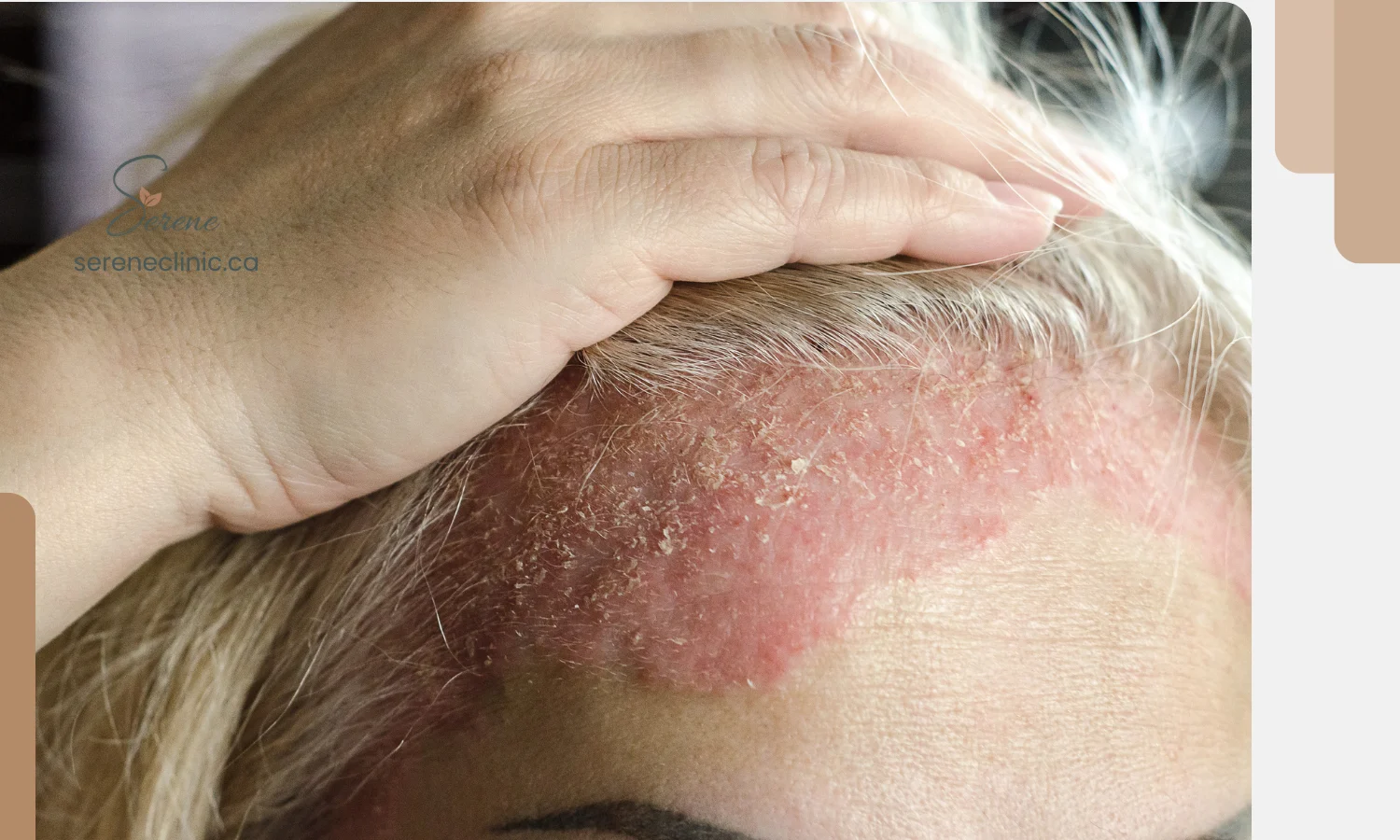
Although eczema and psoriasis often appear similar, they are distinct conditions with different immune mechanisms. Both are chronic inflammatory disorders that can significantly affect physical comfort, sleep, confidence, and quality of life.
Many people spend years treating only the visible symptoms while the underlying causes remain unaddressed. As a result, flare-ups continue to occur despite repeated use of creams or medications.
A naturopathic approach asks a different question:
Why is the immune system producing inflammation in the first place?
By understanding what is contributing to immune dysregulation, it may be possible to reduce flare frequency, improve skin barrier function, and support long-term skin health.
Eczema vs. Psoriasis: What’s the Difference?
Although both conditions involve chronic inflammation, they affect the body differently.
| Feature | Eczema (Atopic Dermatitis) | Psoriasis |
|---|---|---|
| Appearance | Dry, red, itchy patches that may ooze or crack | Thick red plaques covered with silvery scales |
| Primary Immune Pattern | Allergic/atopic inflammation (predominantly Th2 pathways) | Autoimmune-driven inflammation involving Th1 and Th17 pathways |
| Common Locations | Face, neck, hands, inside elbows, behind knees | Elbows, knees, scalp, lower back |
| Main Symptoms | Intense itching, dryness, irritation | Thick plaques, scaling, inflammation |
| Common Triggers | Allergens, irritants, stress, dry skin | Stress, infections, medications, skin injury, metabolic factors |
Despite these differences, many of the underlying contributors overlap, including chronic inflammation, gut dysfunction, immune imbalance, nutritional deficiencies, and stress.
Looking Beyond the Skin
The skin is the body’s largest organ and often reflects what’s happening internally.
Rather than viewing eczema or psoriasis as isolated skin diseases, naturopathic medicine considers them signs that other systems within the body may need attention.
Potential contributing factors include:
- Immune dysregulation
- Gut microbiome imbalance
- Increased intestinal permeability (“leaky gut”)
- Chronic inflammation
- Hidden food sensitivities
- Hormonal changes
- Thyroid dysfunction
- Nutrient deficiencies
- Chronic psychological stress
- Poor sleep
- Environmental exposures
Not every patient will have every factor, which is why individualized assessment is essential.
The Gut–Skin Connection
One of the most researched concepts in functional and naturopathic medicine is the gut–skin axis.
Approximately 70% of the immune system resides within the gastrointestinal tract. The gut microbiome continuously communicates with immune cells, influencing inflammation throughout the body—including the skin.
When the gut microbiome becomes imbalanced (dysbiosis), inflammatory signaling may increase.
Potential contributors include:
- Antibiotic overuse
- Highly processed diets
- Chronic stress
- Poor sleep
- Alcohol
- Gastrointestinal infections
- Small intestinal bacterial overgrowth (SIBO)
- Candida overgrowth in susceptible individuals
Research has demonstrated associations between gut microbial diversity and chronic inflammatory skin diseases, although individual responses vary.
Increased Intestinal Permeability (“Leaky Gut”)
Another important concept is increased intestinal permeability.
Normally, the intestinal lining acts as a selective barrier that allows nutrients into the bloodstream while preventing larger particles and harmful substances from entering.
When this barrier becomes compromised, larger food particles, bacterial components, and other substances may interact more directly with the immune system.
For susceptible individuals, this may contribute to:
- Chronic low-grade inflammation
- Food sensitivities
- Immune activation
- Skin inflammation
While “leaky gut” is still an evolving area of research, increasing evidence suggests that intestinal barrier dysfunction may play a role in several inflammatory and autoimmune conditions.
Food Sensitivities and Chronic Skin Inflammation
Many patients notice that certain foods appear to worsen their eczema or psoriasis.
Unlike immediate food allergies, delayed food sensitivities may take hours—or even several days—to trigger symptoms, making them difficult to identify.
Common dietary triggers may include:
- Gluten
- Dairy
- Soy
- Eggs
- Corn
- Highly processed foods
- Refined sugar
- Alcohol
For some individuals with psoriasis, vegetables from the nightshade family (such as tomatoes, peppers, potatoes, and eggplant) may also contribute to symptom flares, although this is highly individualized.
Rather than permanently eliminating multiple foods unnecessarily, naturopathic doctors often recommend a structured elimination and reintroduction protocol when clinically appropriate.
Chronic Inflammation: The Common Denominator
Both eczema and psoriasis involve chronic inflammation, but the inflammatory pathways differ.
Inflammation may be influenced by multiple interconnected systems, including:
- Gut health
- Nutrition
- Blood sugar regulation
- Sleep quality
- Chronic stress
- Obesity
- Smoking
- Environmental exposures
This explains why successful long-term management often requires addressing more than the skin itself.
Stress, Cortisol, and Skin Flare-Ups
Many patients notice their skin worsens during stressful periods.
This is not a coincidence.
Stress affects the hypothalamic-pituitary-adrenal (HPA) axis, increasing cortisol production and altering immune function.
Stress may also:
- Increase itching
- Delay skin healing
- Affect the skin barrier
- Increase intestinal permeability
- Alter the gut microbiome
- Trigger inflammatory cytokine production
For many patients, stress management becomes an important part of reducing future flare-ups.
Hormones and Skin Health
Hormonal fluctuations can influence inflammatory skin conditions throughout life.
Women may experience worsening eczema or psoriasis during:
- Puberty
- Pregnancy
- Postpartum
- Perimenopause
- Menopause
Hormonal changes may alter immune activity, skin barrier function, and inflammatory signaling.
This is why naturopathic assessment often considers hormone balance alongside nutrition, gut health, and lifestyle.
Functional Medicine Testing: Finding the Root Cause
Because eczema and psoriasis can have many contributing factors, naturopathic medicine emphasizes individualized assessment rather than a one-size-fits-all treatment plan.
Depending on your symptoms, medical history, and goals, a naturopathic doctor may recommend laboratory testing to identify underlying imbalances.
Potential investigations may include:
- Comprehensive bloodwork
- Iron studies (Ferritin)
- Vitamin D
- Vitamin B12
- Zinc
- Essential fatty acid status
- Thyroid function testing
- Blood sugar markers (fasting glucose, insulin, HbA1c)
- Inflammatory markers
- Food sensitivity testing (when clinically appropriate)
- Comprehensive stool analysis
- SIBO assessment
- Hormone testing when hormonal changes appear to influence flare-ups
Rather than relying on symptoms alone, testing helps create a more personalized treatment strategy.
The Naturopathic 5R Protocol for Skin Health
One of the most widely used frameworks in functional medicine for inflammatory conditions is the 5R Protocol, which focuses on restoring gut health and supporting immune regulation.
1. Remove
The first step is identifying and removing factors that may be driving inflammation.
This may include:
- Trigger foods
- Highly processed foods
- Excess refined sugar
- Alcohol
- Artificial additives
- Environmental irritants
- Certain medications (when appropriate and under physician supervision)
- Gastrointestinal pathogens when identified
For eczema, fragrance-free skincare and hypoallergenic household products may also reduce skin irritation.
2. Replace
Some patients have difficulty properly digesting and absorbing nutrients.
Supporting healthy digestion may include:
- Optimizing meal timing
- Improving chewing habits
- Supporting stomach acid when appropriate
- Digestive enzymes
- Bitters for digestive function
Improved digestion allows nutrients necessary for skin repair to be absorbed more effectively.
3. Reinoculate
The goal is rebuilding a healthier microbiome.
Strategies may include:
- High-fiber foods
- Prebiotic foods
- Fermented foods (when tolerated)
- Clinically selected probiotic strains
Research continues to explore the relationship between specific probiotic strains and inflammatory skin diseases.
4. Repair
Once inflammation has been reduced, attention turns toward repairing the intestinal lining and supporting skin barrier function.
Common nutritional supports may include:
- L-Glutamine
- Zinc
- Vitamin A (when appropriate)
- Omega-3 fatty acids
- Collagen-supporting nutrients
- Aloe vera (for selected patients)
Nutrition remains the foundation of tissue repair.
5. Rebalance
Long-term improvement depends on restoring overall balance.
Areas commonly addressed include:
- Sleep quality
- Physical activity
- Stress management
- Circadian rhythm
- Social support
- Mindfulness
- Work-life balance
These lifestyle factors significantly influence immune function and inflammation.
Nutrition for Eczema and Psoriasis
Food cannot cure eczema or psoriasis, but dietary habits may influence inflammation and immune regulation.
Many naturopathic doctors recommend an anti-inflammatory dietary pattern emphasizing:
- Colorful vegetables
- Fruits rich in antioxidants
- Healthy fats
- Fatty fish
- Extra virgin olive oil
- Nuts and seeds
- High-quality protein
- Whole grains when tolerated
Foods that may contribute to inflammation for some individuals include:
- Ultra-processed foods
- Refined sugar
- Sugary beverages
- Excess alcohol
- Trans fats
Rather than following highly restrictive diets indefinitely, nutrition should remain individualized and sustainable.
Nutritional Supplements Commonly Used
Supplements should always be selected based on individual assessment and professional guidance.
Depending on the patient, a naturopathic treatment plan may include:
Omega-3 Fatty Acids
Omega-3s support healthy inflammatory pathways and skin barrier function.
Vitamin D
Vitamin D plays an important role in immune regulation.
Low vitamin D levels have been observed in many individuals with chronic inflammatory skin conditions.
Zinc
Zinc supports:
- Skin repair
- Wound healing
- Immune function
- Healthy inflammatory responses
Probiotics
Certain probiotic strains may help support immune balance and gastrointestinal health.
Magnesium
Stress frequently worsens inflammatory skin diseases.
Magnesium supports:
- Nervous system regulation
- Sleep
- Muscle relaxation
- Stress resilience
Botanical Medicine
Evidence-informed botanical medicine may be incorporated into individualized treatment plans.
Depending on the patient’s needs, this may include herbs that support:
- Healthy inflammatory responses
- Skin healing
- Stress resilience
- Liver function
- Digestive health
Herbal medicine should always be tailored to the individual, especially when prescription medications are involved.
Supporting the Liver and Detoxification
The liver plays an important role in metabolizing hormones, environmental chemicals, and inflammatory byproducts.
Rather than promoting extreme “detoxes,” naturopathic medicine focuses on supporting the body’s normal detoxification systems through:
- Adequate protein intake
- Cruciferous vegetables
- Hydration
- Fiber
- Regular bowel movements
- Physical activity
- Healthy sleep
Healthy liver function supports overall wellness, although it should not be viewed as a stand-alone treatment for eczema or psoriasis.
Lifestyle Strategies That Support Skin Health
Small daily habits often make a meaningful difference.
Patients may benefit from:
- Managing stress through mindfulness or meditation
- Gentle regular exercise
- Restorative sleep
- Daily hydration
- Limiting smoking
- Reducing alcohol intake
- Maintaining a healthy body weight
- Using fragrance-free skincare products
- Avoiding excessive hot showers
- Moisturizing consistently to protect the skin barrier
For many people, long-term consistency matters more than dramatic short-term interventions.
When Should You See a Naturopathic Doctor?
You may benefit from a naturopathic assessment if:
- Your eczema or psoriasis keeps returning
- You suspect food triggers
- Your skin symptoms worsen with stress
- You have digestive complaints alongside skin issues
- You have autoimmune conditions
- You are looking for complementary care alongside your dermatologist
- You want to better understand possible root contributors to chronic inflammation
At Serene Clinic, our naturopathic doctors take a comprehensive, evidence-informed approach that complements conventional medical care while focusing on the whole person—not just the skin.
Conclusion
Eczema and psoriasis are far more than surface-level skin conditions. They often reflect complex interactions between the immune system, digestive health, nutrition, hormones, genetics, stress, and environmental factors.
While topical medications remain important for symptom management, addressing potential root contributors may help reduce flare frequency, improve skin resilience, and support overall health.
At Serene Clinic, we believe every treatment plan should be personalized. By combining comprehensive assessments, nutrition, lifestyle medicine, functional testing when appropriate, and evidence-informed natural therapies, our naturopathic doctors in Toronto work with patients to build a long-term strategy for healthier skin and improved well-being.
Healthy skin starts from within—and lasting improvements often begin by understanding the whole picture.
Frequently Asked Questions
1. Can naturopathic medicine cure eczema or psoriasis?
There is currently no known cure for either condition. However, naturopathic care aims to identify contributing factors, reduce inflammation, support immune balance, and help decrease the frequency and severity of flare-ups alongside conventional medical care.
2. Is eczema caused by gut health?
Gut health is one possible contributor, but eczema is usually influenced by multiple factors including genetics, immune function, allergens, skin barrier dysfunction, and environmental triggers.
3. What foods commonly trigger eczema?
Common triggers may include dairy, gluten, eggs, soy, processed foods, and refined sugar, although triggers vary greatly between individuals.
4. Can psoriasis improve with diet?
Some people experience improvements after adopting an anti-inflammatory eating pattern and maintaining a healthy weight, though responses differ from person to person.
5. Should I have food sensitivity testing?
Food sensitivity testing may be appropriate in selected cases, but elimination and structured reintroduction diets are often considered more clinically useful when supervised by a qualified practitioner.
6. What vitamins are important for skin health?
Vitamin D, zinc, omega-3 fatty acids, vitamin A, and several B vitamins may all play supportive roles depending on individual nutritional status.
7. Can stress really make eczema worse?
Yes. Stress can influence immune activity, skin barrier function, itching, and inflammation, making flare-ups more likely in many people.
8. Is psoriasis an autoimmune disease?
Yes. Psoriasis is considered an immune-mediated autoimmune condition involving abnormal activation of specific immune pathways.
9. How long does it take to see improvement?
Every individual is different. Many patients require several weeks to months of consistent lifestyle, nutritional, and medical support before significant improvements are observed.
10. How can Serene Clinic help with eczema and psoriasis?
Our naturopathic doctors provide personalized assessments that may include nutrition, lifestyle counseling, laboratory evaluation when appropriate, botanical medicine, targeted supplementation, stress management, and collaborative care with your dermatologist to support long-term skin health.
This article is for informational and educational purposes only and is not intended as a substitute for medical advice, diagnosis, or treatment. Always seek the advice of your physician or other qualified health care provider with any questions you may have regarding a medical condition.