
SIBO (Small Intestinal Bacterial Overgrowth): A Naturopathic Perspective

Quick Read Summary:
Small Intestinal Bacterial Overgrowth (SIBO) is often mischaracterized as “just an infection.” From a naturopathic perspective, SIBO is more accurately understood as a downstream result of a deeper breakdown—usually involving impaired digestion, disrupted gut motility, and dysfunction in the gut–brain axis. While conventional care may rely primarily on antibiotics such as rifaximin, naturopathic care at Serene Clinic typically follows a structured, phased approach that aims to reduce overgrowth while also correcting the conditions that allowed it to develop in the first place. The goal is not only symptom relief, but durable recovery and relapse prevention.
What SIBO Really Is (and Why It Happens)
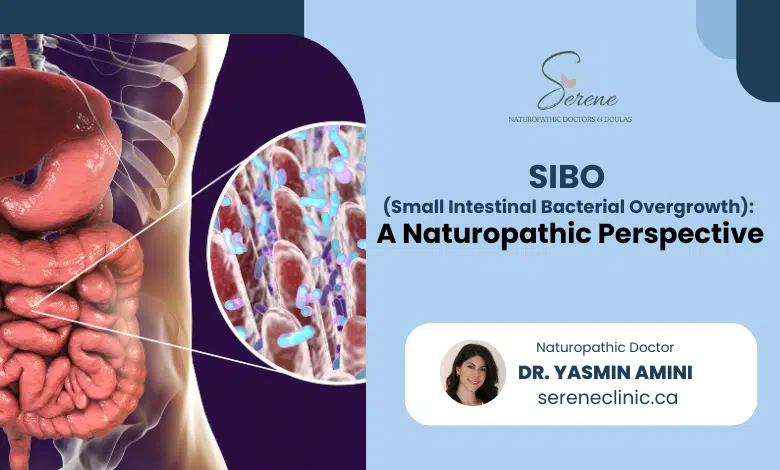
In a healthy gut, the small intestine is designed for absorption, not fermentation. Bacterial populations there should remain relatively low. SIBO occurs when bacteria (or archaea in methane-related cases) colonize the small intestine, where they ferment carbohydrates prematurely—leading to gas production, bloating, pain, and altered bowel habits.
Naturopathic medicine starts with a critical premise: bacteria do not “randomly appear” in the small intestine. They move there because normal protective mechanisms have been disrupted. That shift is why identifying the root cause is central to long-term success.
Common Symptoms of SIBO
SIBO symptoms overlap with IBS and other digestive disorders, which is why targeted assessment is important. Common symptoms include:
-
Bloating (often worsening as the day goes on)
-
Gas, belching, or abdominal distention
-
Diarrhea, constipation, or alternating patterns
-
Cramping or abdominal discomfort
-
Food intolerance (especially to fermentable carbs)
-
Fatigue and brain fog
-
Nutrient deficiencies due to malabsorption (e.g., iron, B12, fat-soluble vitamins)
The Naturopathic Philosophy: Finding the Root Cause
At Serene Clinic, SIBO care begins by investigating why protective gut mechanisms failed. Common contributors include:
1) Impaired Migrating Motor Complex (MMC)
The MMC is the gut’s “cleansing wave” that sweeps residual food and bacteria out of the small intestine between meals. Stress, post-infectious IBS patterns, and nervous system dysregulation can weaken this mechanism, allowing bacteria to accumulate.
2) Low Stomach Acid (Hypochlorhydria)
Stomach acid is a major defense system. When it is low, bacteria survive more easily and can migrate further into the digestive tract. Low acid can also mean poorer digestion, increasing fermentation downstream.
3) Structural or Mechanical Factors
Adhesions from past surgery, endometriosis, and dysfunction of the ileocecal valve can contribute to backflow and altered motility patterns—creating an environment where SIBO is more likely to recur.
The Naturopathic Phased Approach at Serene Clinic
SIBO care is rarely “one and done.” A key naturopathic difference is that treatment is not limited to killing bacteria—it includes preparation, targeted therapy, gut repair, and relapse prevention. Many naturopathic frameworks resemble a 5-R or phased model (Remove, Replace, Reinoculate, Repair, Rebalance), adapted to the patient’s subtype and tolerance.
Phase 1: Preparation and Digestive Support
Before antimicrobial therapy, naturopathic care often focuses on improving digestive conditions and reducing barriers to treatment.
-
Digestive support may include strategies to improve stomach acid function and enzyme activity so food is better broken down and less likely to ferment.
-
Biofilm support (when appropriate) may be considered because some microorganisms can protect themselves within biofilms, making treatment less effective unless addressed first.
This phase helps reduce treatment intensity and improves tolerance.
Phase 2: Targeted Antimicrobial Therapy (“Kill Phase”)
Naturopathic treatment may use botanical antimicrobials selected based on the SIBO pattern (hydrogen vs methane/IMO) and the patient’s sensitivity.
Examples of botanicals that may be considered in evidence-informed care include:
-
Berberine-containing herbs (often used in hydrogen-dominant patterns)
-
Allicin (garlic extract) (commonly used in methane/IMO patterns)
-
Oil of oregano (typically in enteric-coated forms for tolerability)
-
Neem (used in some protocols for broader microbial balance support)
Botanical protocols are often implemented over several weeks, depending on the case complexity and response.
Important: A “die-off” or Herxheimer-like reaction can occur in some individuals during this phase, and professional supervision helps reduce unnecessary discomfort and course-correct when needed.
Phase 3: Motility Support and Relapse Prevention
Relapse is common when underlying motility dysfunction is not corrected. This is why naturopathic care places strong emphasis on restoring MMC function and improving gut–brain signaling.
Support may include:
-
Natural prokinetic strategies (selected on a case-by-case basis) such as low-dose ginger or other practitioner-guided motility supports
-
Meal spacing to allow the MMC to function properly
-
Stress and sleep interventions to reduce nervous system inhibition of gut motility
Dietary Strategy: Starve the Overgrowth, Nourish the Person
Diet is used as a therapeutic tool, not a permanent lifestyle restriction. At Serene Clinic, dietary guidance is tailored to symptoms, nutritional status, and treatment phase.
Common strategies include:
-
Low-FODMAP-style templates for symptom reduction
-
Bi-phasic or staged dietary approaches in select cases to reduce fermentation short-term and then reintroduce foods gradually
-
Meal timing (often 4–5 hours between meals, minimizing snacking) to support MMC “cleansing waves”
A key priority is preventing excessive restriction that can worsen weight loss, nutrient depletion, or anxiety around food.
Conventional vs Naturopathic Approaches: What’s the Difference?
Conventional gastroenterology often centers treatment around antibiotics (e.g., rifaximin), which can be very useful for bacterial reduction in many cases. Naturopathic care tends to broaden the plan to include:
-
Root-cause investigation (motility, acid, structural factors, stress)
-
Longer-form, phased antimicrobial strategies (when appropriate)
-
Gut repair and relapse prevention as essential, not optional
At Serene Clinic, the goal is integrative care: using the best tools available while building a plan that reduces recurrence risk.
Conclusion
From a naturopathic perspective, SIBO is not simply an overgrowth to eliminate—it is a signal that digestion, motility, and gut–brain regulation need restoration. At Serene Clinic, SIBO care is structured, personalized, and prevention-focused, combining targeted therapies with digestive support, dietary strategy, and long-term motility recovery. The objective is not only to reduce symptoms now, but to help you rebuild a gut environment where SIBO is far less likely to return.
Serene Clinic Naturopathic Medicine
Book Your Free Consultation Today
Connect with a naturopathic doula Toronto near you, whether you are in Toronto or anywhere in Ontario.
Serene Clinic Naturopathic Doctors Book your complimentary meet and greet with an Ontario licensed Naturopathic Doctor and Doula:
https://sereneclinic.janeapp.com
This article is for informational and educational purposes only and is not intended as a substitute for medical advice, diagnosis, or treatment. Always seek the advice of your physician or other qualified health care provider with any questions you may have regarding a medical condition.
Frequently Asked Questions (FAQ)
Q1: Is SIBO the same as IBS?
Not exactly. SIBO can mimic IBS symptoms, and many people diagnosed with IBS may have underlying SIBO. Proper assessment helps clarify the driver.
Q2: Do I need antibiotics to treat SIBO?
Not always. Some cases respond well to evidence-informed botanical protocols, while other cases benefit from antibiotics or an integrative approach. The right option depends on subtype, severity, and medical history.
Q3: Why does SIBO keep coming back?
Recurrence is often linked to unresolved root causes—especially motility impairment, persistent stress, low stomach acid, or structural contributors.
Q4: How long does it take to recover from SIBO?
Some individuals improve in weeks, but full recovery and diet expansion can take months, especially if relapse prevention and gut repair are needed.
Q5: Can I treat SIBO on my own with antimicrobials?
Self-treatment can backfire—especially without interpreting breath test results, understanding subtype, and managing side effects. Working with a qualified practitioner reduces risk and improves outcomes.